The initially warm weekend break has an unique buzz to it. Lawns green up, bushes press new growth, and the timer on your irrigation controller starts murmuring that it is time to wake up the system. If you treat springtime startup as a fast spin of a shutoff and a faucet of a switch, you will certainly acquire problems that set you back even more by July. A cautious hour currently can conserve you weeks of area watering later on, in addition to the money and frustration that feature emergency situation lawn sprinkler repair work in peak season.
I have begun hundreds of systems after wintertime, from small suv backyards to multi-acre premises. The patterns know. Cold months are hard on plastic and rubber. Gaskets flatten. Tiny grains of sand drift into valves. A tilted head sinks a quarter inch at once while the turf swells around it. None of this is significant, yet all of it swipes water away from where you plan it to go. Great sprinkler maintenance acknowledges this silent drift and resets the system to where it ought to be.
What wintertime does to a lawn sprinkler system
Water finds its means right into areas you do not anticipate. Also if you had the system correctly winterized, a little wetness can pool in low runs of pipeline or inside heads. When temperatures drop, that moisture expands. On polyethylene lateral lines, you might see a harmless flex. On PVC, duplicated growth can start a hairline crack that does not leakage till pressure builds in springtime. Rubber diaphragms in shutoffs grow tight in the cold. O-rings in rotors shed flexibility, after that refuse to secure when forced. Threaded installations that were flawlessly snug in October function themselves simply loose enough to weep.
Frost heave and lawn traffic create their very own mischief. A rotor that was established flawlessly level last year can sit a half inch low now, which implies the nozzle shoots into the turf as opposed to over it. Pop-up sprays obtain angled by a snow shovel or a wheelbarrow, and instantly they toss onto the sidewalk rather than the grass. Backflow preventers, set down above grade to satisfy code, withstand months of exposure. Their test ports and air vent caps can split or clog with crawler webs. None of this screams failure, yet add it up across 30 or 60 heads and you are watering waste.
The first cozy weekend: establish the stage
Do not hurry to rotate the primary valve open. Spring start-up starts with a walk and a look. Clear debris, trim back perennials that grew into spray courses, and bear in mind of any settling. A flashlight helps inside shutoff boxes, where you are trying to find mud, rodent nests, or standing water that hints at a slow-moving winter months leak. I such as to bring a kneeling pad, network locks, a tiny flat screwdriver, a handful of Teflon tape, and two spare nozzles that match one of the most usual head models on site. An inexpensive stress gauge with a hose string connection or a Schrader shutoff adapter is also worth carrying, because numerous springtime concerns trace back to pressure that is too high or too low.
Your controller should have focus prior to any kind of water runs. Open up the panel and replace the battery if it uses one, after that check the date, time, and watering days. Power blips can clamber timetables. If you have a wise controller connected to weather, confirm it reconnected to Wi-Fi. More than when I have actually located a controller that returned to factory default after a winter interruption and was readied to water every day at dawn. That creates soaked soil and fungus just when turf roots are trying to dive deeper.
A brief pre-start checklist
- Verify the backflow preventer is intact, test ports closed, and isolation shutoffs readied to the proper positioning for startup. Confirm the controller zone list still matches your yard, then put it in hand-operated mode. Inspect shutoff boxes for leaks, ate wires, or ants, and clear out debris. Walk each grass and bed to discover slanted or hidden heads, after that mark them with flags for adjustment. Close all drain cocks and top any kind of wintertime blowout installations you opened.
Bring the system to life gently
Pressure shocks cause more damage than any kind of various other component of springtime startup. Steel pipes can handle a rapid rush of water, yet PVC laterals and plastic valves do far better with a sluggish fill. Open the major supply of water to your watering line one quarter turn and pay attention. You will certainly hear water move via the backflow preventer, after that pause as it fills up the primary line. Provide it a minute. One more quarter turn, an additional pause. Once it is fully open, resist need to run every zone simultaneously. Job one area at a time, for 2 or 3 mins per area, and view what happens.
Step-by-step start-up sequence
- Start with the zone physically closest to the water resource so air relocations downstream. Open that area at the controller, after that walk the heads as they purge air. Expect sputtering and milky water at first. Check each head for pop-up, rotation, and throw. Correct, increase, or tidy nozzles as you go. Move to the next downstream zone, repeating the very same checks, and circle back to the first zone as soon as air clears to establish final arcs and nozzles. After all areas run, check the backflow preventer and the main installations again for any signs of seepage.
I faucet the top of each pop-up as it runs to feel vibration and water hammer. A babbling noise points to a pressure-regulating trouble or a partly shut shutoff. If heads barely rise, pressure is low or a leak is starving the lateral. If heads are misting and wandering, pressure is too high or nozzles are put on. A basic scale linked to a hose pipe bib near the irrigation tie-in will certainly inform you the static pressure. Most domestic spray areas prefer 30 psi ahead, rotors 45 to 55 psi, and drip 20 to 30 psi. If your static stress is 80 psi and you see clouds instead of consistent streams, add pressure policy at the shutoff or head level, not just at the house.
Common sprinkler fixing problems you will catch early
An excellent startup is a real-time diagnostic. A number of failure settings show up in the first five mins if you take note. One springtime I opened up a system and saw one rotor rotating like a propeller, flinging a pencil-thin stream. The nozzle had actually fallen out over winter months. 10 feet away, one more head refused to appear more than an inch, starving the entire edge. The culprit was grass cuttings loaded right into its riser. 2 minutes with a screwdriver and pipe conserved a service call.
Here are the failure settings I see usually and how I approach them in the area:

Broken or sunken heads. If a mower clipped a head last loss, the body may be cracked listed below quality. With the zone off, wiggle the head. Any wobble recommends a damaged swing joint or loose fitting. Dig a cool square around the head, raise the turf, and expose the suitable. If the break is below the threaded elbow, I replace the swing joint setting up totally as opposed to trust fund a brittle item. When a head is just reduced, I add a short nipple area or a taller body and set the leading flush with the soil grade. Flush the lateral prior to reinstalling the nozzle to stay clear of pressing grit back through the seals.
Clogged nozzles. Sand, pests, or mineral range develop behind the nozzle. If a spray has a jagged, irregular follower, closed the zone off, eliminate the nozzle and screen, and rinse. If you see a white crust, saturate the components in a light vinegar service. On rotors, a weak stream usually indicates the nozzle is partly obstructed or the filter screen is loaded. Pull the riser, clean the display, and reseat the nozzle. Keep a small assortment of replacement nozzles since older plastic exhaustions and cracks when you tear it out.
Valve issues. A zone that will closed or will certainly not close suggests a solenoid, diaphragm, or particles issue. Evaluate the valve from the controller initially, then use the manual hemorrhage screw on the valve body. If it opens up manually yet not electrically, check the solenoid coil with a multimeter for 24 volts air conditioner when triggered. Coils are economical and very easy to swap. If the shutoff chatters or will not shut, power it off and take apart the top to examine the diaphragm and seat. Great sand frequently ratings the seat. If the diaphragm has stiffened or torn, change it. Constantly depressurize the system prior to you open a valve, and keep track of springtime alignment throughout reassembly.
Wiring mistakes. Winter season pests like shutoff boxes. Eaten splices turn up as a dead zone. Use an easy wire tracker or perhaps an examination light to confirm continuity. Waterproof gel-filled connectors deserve their small premium in expense because they stand up to dampness creep. If you are routinely chasing cable concerns in damp boxes, elevate interlaces inside the box on a tidy plastic base.
Backflow preventer problems. I have actually seen PVBs break on the back side where you do not look first. Check with a mirror or by feeling. A sluggish drip from an air vent cap recommends debris lodged in the check assembly. Some settings up allow you clear out the checks, others require to be replaced. Know your regional code, due to the fact that several areas call for a certified tester to solution heartburn tools and file yearly reports.
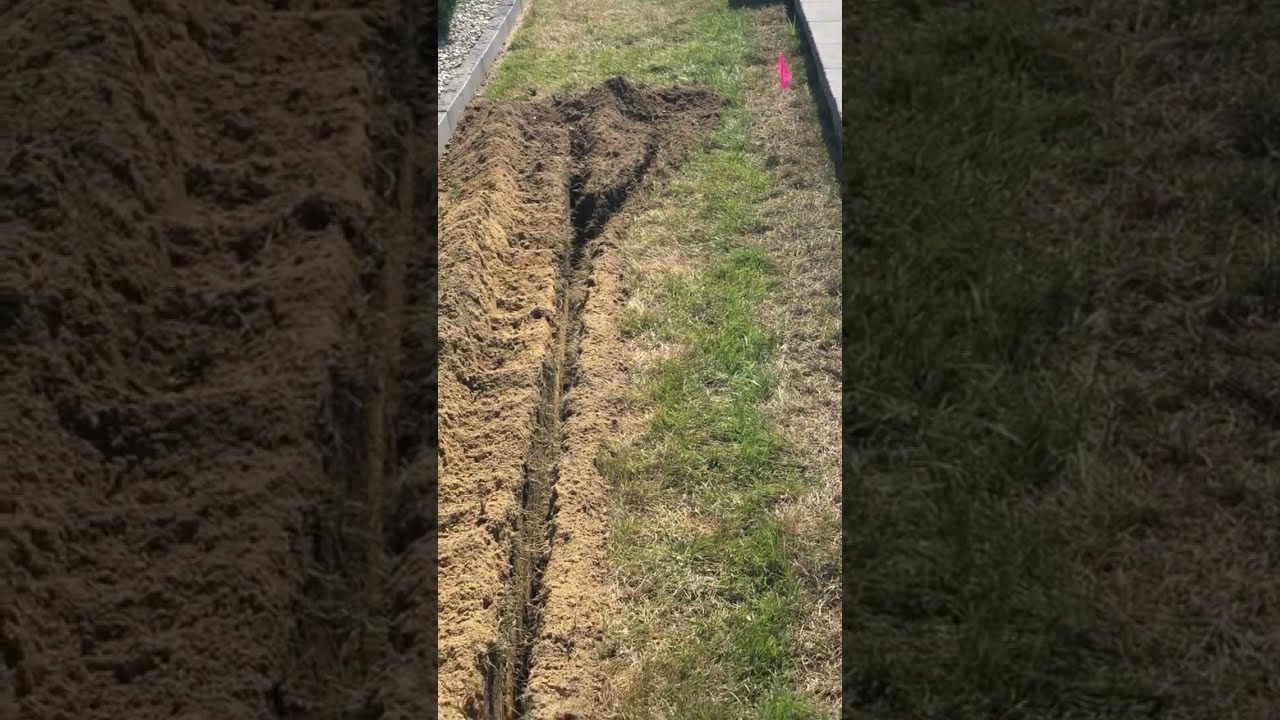
Pipe leakages. A zone that never gets to pressure most likely has a lateral break. Look for pooling water or a saturated stretch of turf. If the break is elusive, run the suspect area for 10 mins, then probe soft places with a screwdriver. For PVC, a clean fixing requires square cuts, guide, and solvent concrete, followed by an individual remedy time. Push-on repair work can operate in a pinch, but I just use them when the soil is damp and a glued joint will certainly not cure. For polyethylene laterals with insert installations, be generous with clamps: two per side, placed on the elevated barbs.
Dialing in protection and arc
A good irrigation pattern is also, not brave. You do not desire a single head to throw water 40 feet, you desire neck and neck protection at a stable span. Wind and slope will constantly take a little, so integrate in overlap. After the system removes air and you make standard fixings, take 5 extra minutes to align arcs with a screwdriver or blades tool. On sprays near sidewalks, narrow the arc so the follower kisses the side without saturating it. On rotors, established the left quit initially, after that the arc, then the ideal stop. I prefer to complete arc changes with the head running so I can see the sweep.
If you added or transformed beds over wintertime, you might need to re-nozzle. A simple swap from a 10-foot to a 12-foot fan on an edge spray can get rid of a dry triangular. On a large rectangle with blades, mixing nozzle dimensions throughout a zone helps tweak distribution. Simply keep an eye on pressure: larger nozzles demand even more flow. If an area makes use of a lot of high-flow nozzles, stress sags and toss shrinks, which creates an additional unequal pattern. When in doubt, add an area as opposed to overload one.
Pressure, law, and why haze takes water
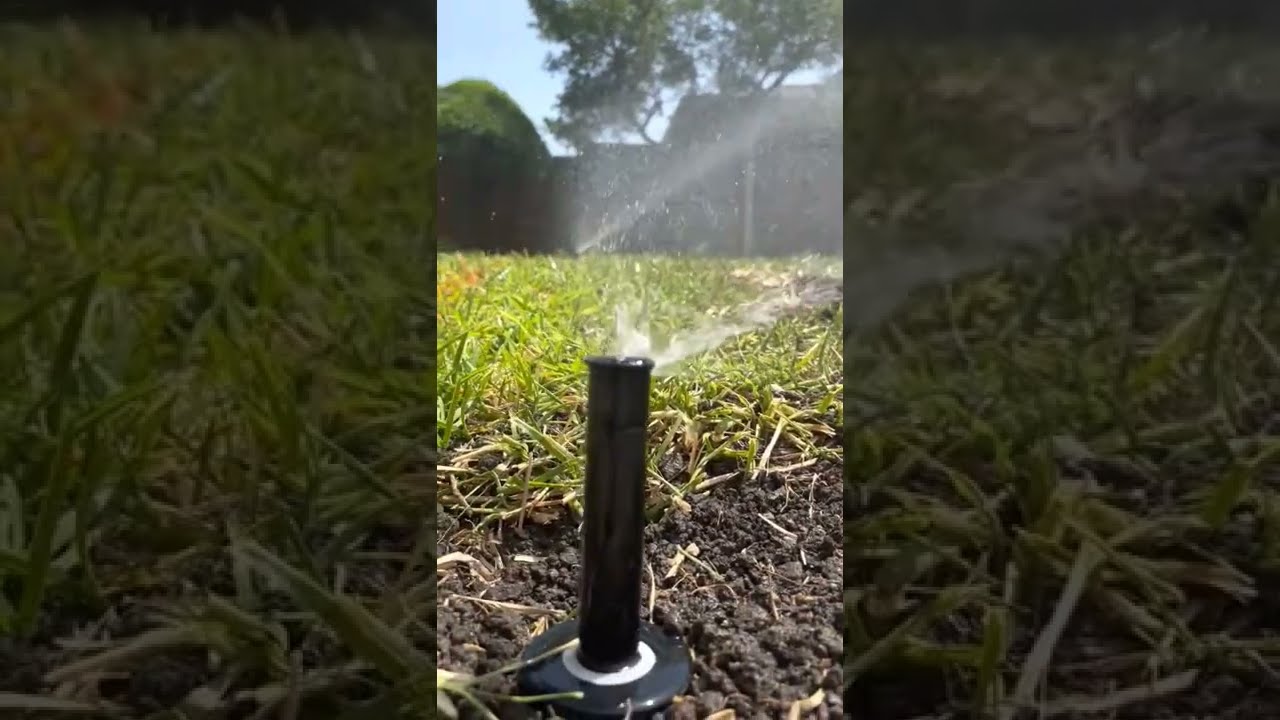
Misting looks quite in early morning sunshine, but those tiny droplets evaporate or wander away before they get to soil. Excess stress is the common reason. A system at 75 psi feeding common sprays will atomize. You can mount a pressure-reducing valve prior to the manifold, however I have had far better outcomes with pressure-regulating spray heads or bodies that hold 30 psi at the nozzle. They cost a few dollars more per head, however the water savings over a period dwarfs the premium. For rotor zones where 50 psi is desirable, use guideline that matches rotor demands, not spray settings. If your water utility supplies pressure that swings hour by hour, take into consideration regulatory authority shutoffs for each and every zone. Secure pressure makes adjustments stick.
The controller becomes part of upkeep, not simply an on-off switch
Programming is where you shield plants and your water bill. Lawn roots in https://rafaeljgoc460.rivetgarden.com/posts/prolonging-system-life-advanced-lawn-sprinkler-upkeep-best-practices springtime desire deep, seldom watering. I start with runtimes that press dampness 4 to 6 inches right into the soil, which might be 12 to 20 minutes for sprays and 30 to 45 minutes for blades on loamy dirt. Then I break that right into cycle and saturate to stay clear of drainage. For example, 2 cycles of 10 minutes with a thirty minutes take in between does a lot more excellent than one 20 min blast on a slope.
Pay interest to plant kind. A bush bed with drip need to get on a different routine from warm turf with sprays. Drip requirements much longer but much less frequent runs. If you are still running a solitary program throughout the entire home, this springtime is your possibility to different zones and customize them. Smart controllers aid, but they are not magic. One of the most beneficial function for a lot of property owners is seasonal modification. As temperatures increase, bump runtimes up 10 to 15 percent, not 50. When rains arrive, call them back. I maintain a written log or a quick note in a phone for every modification, consisting of why I made it. That record helps me stay clear of panicing to one warm week.
When lawn sprinkler maintenance becomes little upgrades
Maintenance captures issues, but sometimes a little upgrade will conserve you hours. Pressure-regulating heads are one example. Inspect valves developed right into heads are an additional. They stop reduced head water drainage on slopes, which stops pools and the sloppy halos that show up about reduced heads every early morning. If you are changing more than a couple heads this springtime, think about upgrading the bodies to PRS with check valves where it makes sense. In beds, I usually exchange sprays that constantly struck hardscape for a brief run of drip line along the side. That easy adjustment reduces overspray, fights weeds, and maintains pathways dry.
Timers age out too. Early controllers were sturdy, yet I see unusual behavior at 12 to 15 years. Programs do not hold. Relay clicks are weak. If your controller is old sufficient to elect, spring is a great time to replace it. Newer models make repairing easier with clear area labeling, integrated diagnostics, and hand-operated run buttons that conserve you from countless clicks. If you pick a wise design, pick one with a simple user interface and a real seasonal adjustment you can bypass. Prevent the lure to allow it add watering days indiscriminately since it encountered a forecasted warm spell.
Safety and code around backflow
Backflow gadgets shield your alcohol consumption water. They keep plant food, pet waste, and soil microorganisms out of the residential line. Numerous regions require a test annually by a certified tester, usually in springtime. If your water company sends a notice, do not neglect it. Organize the test after you end up the first start-up so any repairs are done. Keep copies of your test tag or record. I have seen home owners fined after relocating into a residence without records and finding a decade of missing out on examinations. Replacing an ignored or iced up PVB usually runs a few hundred dollars partly plus labor, and the task is faster if the shutoffs on either side are operable and labeled.
Tools that make spring work go faster
You do not require a van full of equipment, yet a couple of products lower cursing. A multi-bit screwdriver and a committed rotor tool take care of most adjustments. A narrow trenching spade lets you cut a tidy square for head repair services without harming the surrounding lawn. PVC cutters make cleaner, much faster repair services than a hacksaw, which can shatter cold pipeline. A hand pump or wet/dry vacuum empties sloppy valve boxes so you can see what you are doing. And a pail of mixed nozzles sorted by brand stops you from compeling a Seeker nozzle into a Rain Bird body or vice versa. Brand suit matters. So do nozzle dimensions that make good sense together within a zone.
When to stop tinkering and require lawn sprinkler repair
Some issues compensate experience. If you discover an area that will certainly not turn off even after clearing the shutoff, there might be a control issue upstream. If your manifold is a fossilized collection of PVC with crying joints, replacing components bit-by-bit will waste time and money. Similarly, when circuitry develops into a scavenger hunt, a professional with a cord tracer can conserve hours. Typical service rates differ extensively by area, yet a straightforward head substitute usually lands in the 40 to 100 dollar variety for parts and labor, while valve substitutes can run 120 to 250 bucks depending upon accessibility and components. A complete manifold reconstruct with 4 to six shutoffs climbs up from there. Request for clear quotes, and if a tech suggests sweeping modifications, ask them to divide essential repair work from nice-to-have upgrades.
Knowing when a fresh sprinkler setup is smarter
There is a factor where maintaining an old, dissimilar system limping along expenses more than starting tidy. A system with mixed head kinds on the very same zone, undersized pipeline from the 1980s, and a controller that lost its mind every tornado will certainly drainage and time. If you face that, speak about partial rework instead of a complete tear-out. Separate spray and rotor areas. Up-size a few important laterals. Add a brand-new manifold area if the old one sits in a perpetually damp corner. Modern sprinkler installment is more than burying pipeline. Great design groups zones by plant water require, sunlight exposure, and soil type. It sets head spacing to true head-to-head coverage, not enthusiastic long tosses. It includes pressure policy at the shutoff or head degree so your springtime adjustments hold through July.
When creating or authorizing a new install, confirm the fixed stress and available circulation at your site, then size areas to remain below that number with margin. I choose to target 80 percent of the determined flow, leaving headroom for pressure decrease as filters and displays age. Usage swing joints on all heads so small changes in dirt do not crack fittings. On slopes, specification check valves to stop drain down. In beds, default to drip unless there is a particular factor sprays make good sense. If you acquire a system with blades watering a slim 4 foot strip, that is an invitation to rework the zone.
Seasonal upkeep beyond spring
The ideal springtime job establishes the tone for the whole growing period. I schedule a quick audit a month after startup. Lawn growth and mowing expose where heads sit too low. Summer season warm subjects vulnerable points in organizing. Mid-season, I clean filters at the drip zone shutoffs and flush drip lines if they have end caps. I bump runtimes according to plant stress and anxiety, not calendar dates. If footprints stick around in turf or leaves crinkle in beds, extend the routine a little. After a heat wave, do not reflexively reduced water simultaneously, let the origin zone recover.
Edge situations issue. Shaded north sides require much less water than southerly direct exposures, also on the same area. Clay dirts require much shorter, more frequent cycles to avoid drainage. Sandy soils require deeper, longer saturates with more frequent watering. Windy sites may need a little much more overlap or various nozzle patterns. A large oak tree that leafed out will alter soil wetness in a vast radius, and heads put under its cover could now spray into reduced branches unless you trim.
Record what you did, and what you found
I maintain a straightforward illustration of every home, absolutely nothing fancy. Area numbers, head counts, unique notes. The backflow model and dimension, the year it was last changed, and the name of the screening business. I note weird valves that just secure if you transform them a full 90 degrees plus a push. These little notes make the next springtime smoother. If you sell your home, the next owner will honor you for it.
A final word on water, patience, and judgement
Spring startup must really feel methodical, not rushed. The system has been asleep. Wake it carefully. Watch and pay attention. Repair the small points prior to they become huge points. True sprinkler upkeep is not regarding going after leaks, it is about resetting the positioning between water and landscape. Go for also insurance coverage, regulated pressure, and timetables that respect plant demands. Add upgrades where they spend for themselves in reliability and financial savings. Know when a targeted lawn sprinkler fixing maintains you on the right track, and when it is smarter to rework an area or consider a fresh lawn sprinkler installment. With that strategy, the very first cozy weekend becomes the silent begin to a period where your plants prosper and your irrigation does its job without drama.